
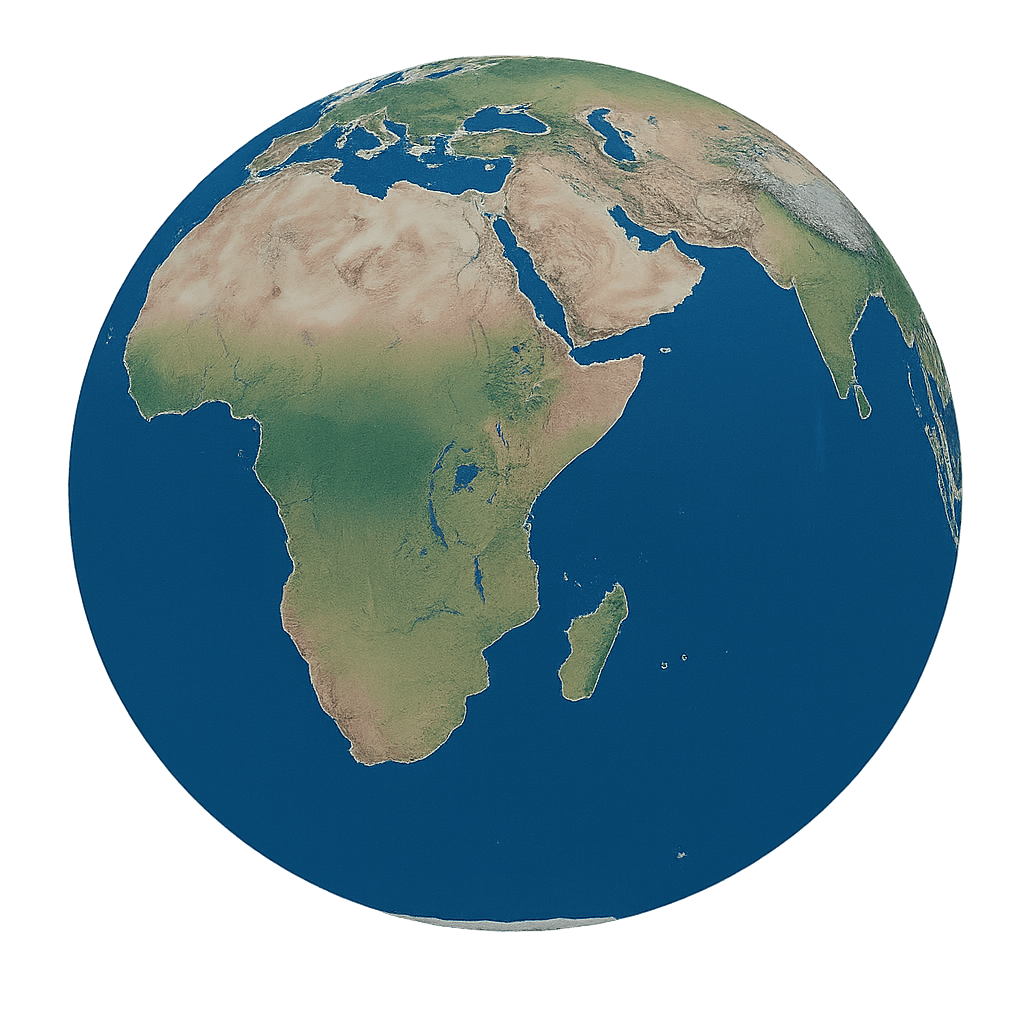
Strait of Hormuz Shipping Crisis: The US says it destroyed five Iranian crude carriers after IRGC missile attacks on a US warship, as Hormuz transit remains sluggish and insurance and shipping risks keep rising. Environmental Fallout: With merchant vessels repeatedly hit and oil flows disrupted, analysts warn the conflict is worsening environmental damage around the Gulf and raising the odds of spills and longer-term marine harm. BRICS Security & Climate Agenda: Ahead of the 18th BRICS Summit in New Delhi (Sept 12–13), India is deploying about 25,000 security personnel and adding heavy surveillance around Bharat Mandapam, while the summit theme spotlights resilience, innovation, cooperation and sustainability. Energy Prices Hit Households: Escalation tied to Iran–US tensions pushed Brent above $100 and lifted UK gas to the highest in nearly four years, threatening winter energy bills and feeding broader inflation pressures. Iran’s Water Tech: Iran has launched its first “smart” water desalination plant, signaling a push to boost water security amid climate and resource stress.
AGP Executive Report
Your go-to archive of top headlines, summarized for quick and easy reading.
Note: AI summary from news headlines; neutral sources weighted more to help reduce bias in the result. Feedback is welcome. Please let us know if you have any comments or suggestions about the AGP Executive Report.
Oil Spill Risk in the Gulf: The U.S. says it destroyed five Iranian crude tankers after IRGC ballistic-missile attacks on a U.S. warship, while Iran warns of further maritime action—raising fresh fears of oil spills and damage to Gulf marine ecosystems. Shipping Disruption: Tanker and merchant-ship incidents around the Strait of Hormuz and Gulf of Oman are piling up, with transit delays and heightened fire/explosion risk for vessels carrying large oil loads. Energy Prices Hit Households: Brent pushed above $100 a barrel as the tanker war escalated, and U.S. consumers are feeling it at the pump, with diesel and gasoline costs climbing sharply. Regional Security Pressure: Pakistan’s defence minister warns Houthi attacks on Saudi Arabia could trigger the Makkah Defence Alliance, while Tehran rejects Arab League claims and calls for “sustainable security” via regional cooperation. BRICS Diplomacy vs. Conflict: BRICS sherpas are reportedly drafting a joint declaration for the New Delhi summit amid disagreement over West Asia, with Iran expected at the table—showing how the conflict is spilling into global policy talks. Climate Cost Reminder: Separate reporting highlights how fuel-price shocks and extreme weather are already squeezing food and farming systems, underscoring the wider environmental stakes of instability.
Strait of Hormuz Shipping Disruptions: UKMTO says merchant vessels in the northern Arabian Gulf and Gulf of Oman were forced to halt after fire during military activity, with no confirmed casualties or environmental damage; shipping caution is rising as Strait of Hormuz traffic slows. Oil Price Shock: Brent crude pushed above $100 a barrel on Middle East supply fears, with analysts warning the conflict could keep oil flows tight and prolong energy volatility. Iran-US Maritime Escalation: Iran’s IRGC claims it seized a US unmanned submarine drone near Hormuz, while the US says the underwater drone malfunctioned; Iran also reports attacks on ships and tankers as the tanker-war cycle intensifies. Fuel Cost Pressure on the Poor: Cambodia’s floating schools are hit by rising fuel prices, forcing families to choose between transport and schooling. Food Inflation Spillover: The UK’s Food and Drink Federation forecasts food inflation around 3.9% by December 2026, rising later toward 6.4% in mid-2027, blaming the Iran war, El Niño, and drought impacts on supply chains. Energy Security at Home: South Africa faces renewed household strain as fuel prices spike, with the war cited as a key driver.
Strait of Hormuz Tensions: Iran’s IRGC says it seized a U.S. unmanned underwater drone near the Strait of Hormuz and released images, as the standoff keeps disrupting one of the world’s key energy routes. Maritime Risk & Energy Costs: Iran also warns it will use Strait-of-Hormuz fees to fund food support, defense, and infrastructure—while the wider conflict keeps pressure on oil and fuel supplies. Food Prices & Climate Shocks: The UN FAO reports global food prices rose in August to the highest since late 2022, driven by extreme heat and drought, El Niño fears, and war-linked supply disruptions; it warns a “risk premium” is returning to food markets. Local Cost-of-Living Pressure: In Canada, small businesses say tariffs and Iran-related oil supply disruptions are raising costs and squeezing customers’ purchasing power. Policy & Diplomacy: Qatar urged against normalizing the region’s “no war, no peace” status, saying prolonged instability drains resources and undermines development. Energy Security Backdrop: Reports also note diesel and gasoline hitting record highs amid ongoing hostilities, reinforcing how the Iran conflict is feeding broader economic strain.

Hormuz & Oil Security: Iran says it will set a new restricted maritime zone beyond the Strait of Hormuz and warns it may act pre-emptively against threats, as the US and Iran trade strikes and shipping traffic slows—raising fresh risks for energy flows and regional navigation. Energy Prices & Inflation Pressure: Oil is edging toward $100 a barrel amid renewed Middle East hostilities, with analysts warning prolonged disruptions could keep inflation hot and push borrowing costs higher. Iran’s Port Economy Under Strain: An AP visit to Bandar Abbas describes economic slowdown tied to US blockade effects, with port activity and daily commerce hit hard. UAE–Germany Business & Climate Links: The UAE and Germany deepen ties through a new business council and an energy-and-climate partnership, highlighting renewables and logistics as cooperation priorities. Food Cost Squeeze (Regional Spillover): India’s strong GDP and forex gains still leave households feeling the pinch as staples like sugar, onions, edible oils and milk rise—an example of how conflict-driven inflation can land on everyday food bills. Global Climate Risk Lens: A commentary argues that Iran-war shocks and Strait-of-Hormuz disruptions expose how fragile food and supply systems are under climate stress.
Hormuz Shipping Shock: Iran says it’s close to a deal with Oman to manage tanker routes through the Strait of Hormuz, as the US and Iran trade strikes and oil stays near $97 a barrel—raising fears of fresh disruption to maritime traffic and spill risk. Maritime “Exclusion Zone” Talk: Iran’s security officials reiterate plans for a new restricted/exclusion zone around Hormuz, warning ships that don’t coordinate could face blacklisting and sanctions, while CENTCOM reports dozens of US warships and many vessels redirected. Gulf Diplomacy vs. Trust: Gulf leaders warn that rebuilding relations with Iran is harder than restoring ties, with Qatar pushing a phased de-escalation approach to keep the Strait open and prevent a cycle of escalation. Human Rights & Environment: UN rights chief Volker Türk warns that the surge in active wars is damaging international law and public health, with lasting effects that also hit the environment. Energy Pressure at Home: Iran-linked tensions keep fuel costs high, with reports of gasoline price increases and ongoing economic strain tied to the war economy.
Hormuz Shipping Shock: Iran says it will announce a “restricted/prohibited zone” around the Strait of Hormuz and parts of the Persian Gulf, warning vessels that enter without coordination could face sanctions affecting insurance and future passage; Tehran also claims the strait is “completely closed” and says it won’t sink ships for “environmental protection reasons,” while a new anti-ship missile test is cited as proof the US blockade is vulnerable. Oil Market Pressure: Goldman Sachs warns oil could jump to $120 a barrel if shipping disruptions around the Middle East keep widening, as tanker traffic reportedly falls and analysts note the strait is moving far less oil than pre-war levels. Environmental Risk Lens: A separate report highlights how the Iran war has worsened oil pollution around Hormuz, raising stakes for marine ecosystems as attacks continue. Regional Water Security: Egypt reiterates Nile water is a top national priority and rejects any action that threatens its water interests, calling for international-law handling of disputes. Caspian Sea Capacity Building: Turkmenistan opens a training course on Caspian Sea sustainable development and management, focusing on marine conservation and environmental issues. Air Pollution Accountability: Pennsylvania fines Shell $15m over air permit violations at a plastics plant, including excess benzene and nitrogen oxides—another reminder of how industrial emissions keep harming health and local air quality.
Strait of Hormuz Security: Iran says it will declare a new “restricted” maritime zone outside the Strait of Hormuz, starting from the U.S. blockade line and extending into parts of the Persian Gulf, with any ship entering without coordination put on a sanctions list; Iran also claims the strait is “completely closed” and says it won’t sink oil-carrying vessels due to environmental damage. Parliament Rules: Iran’s parliament commission approved a plan to bar countries and entities that impose unilateral sanctions or hostile measures against Tehran from transiting the Strait of Hormuz. Gulf Health Preparedness: GCC health ministers met in Bahrain to strengthen joint readiness, medicine supply chains, and preparedness, while condemning Iranian attacks and warning that threats to Hormuz navigation could disrupt energy, trade, food, and medical supplies. Climate Reality Check: A new commentary highlights that the world has broken the 1.5°C warming promise, warning small climate-vulnerable states face mounting losses and debt for recovery.
Strait of Hormuz Pressure: Reuters reports Washington’s economic offensive is biting harder than Iran’s shipping disruptions, with a U.S. naval blockade and tougher sanctions curbing Tehran’s oil exports and foreign-currency access—raising fears that Iran’s leverage over Hormuz is fading. Oil & Climate Fallout: OPEC+ kept October output policy steady as Hormuz disruption clouds 2027 quota talks, while the wider Iran-war shock continues to push up fuel and fertilizer costs that hit food security. Regional Diplomacy: Iran’s foreign minister held calls with Turkey and Saudi Arabia focused on de-escalation and Strait of Hormuz security, as tensions with the U.S. and Israel keep escalating. Gulf Energy Supply Chain Stress: A report on Indonesia’s aluminum push links the Iran war to Middle East supply disruptions and higher prices, with new smelters powered by coal—an emissions concern for climate goals. Food Insecurity Risk: New research warns climate-driven agricultural decline plus war-related supply disruptions (including Iran-war fuel/inputs) can intensify instability and conflict over land and water.
Strait of Hormuz Security: Qatar is pushing diplomacy to keep the Strait of Hormuz open, stressing dialogue, international law, and protection of maritime navigation after attacks tied to the Iran conflict, and rejecting any effort to turn the waterway into a political bargaining chip. Maritime Fallout: Iran’s IRGC Navy says it targeted tankers and other vessels after U.S. strikes, while CENTCOM says it disabled and destroyed three Iranian oil tankers following ballistic-missile attacks—raising fresh concerns about the environmental risk of tanker damage and spill potential. Energy Prices & Climate Costs: With fuel prices surging amid the Iran war and Strait disruption, Ireland’s coalition reportedly ruled carbon-tax rises “politically impossible” and governments are leaning on short-term fuel price suppression, while a separate report notes global food prices hit their highest since late 2022 as weather and war disruptions tighten supplies. Food & Weather Pressure: FAO warns climate shocks and geopolitical tensions are returning a “risk premium” to food markets, as extreme heat, drought, and El Niño fears disrupt harvests and shipping. Local Environmental Heritage: Qazvin’s Baghestan—an ancient garden belt of almond and pistachio trees—remains a “green jewel” that helps buffer dust storms, floods, and strong winds. Wildlife Conservation: Two Eurasian griffon vultures rehabilitated in Saudi Arabia have established new home ranges in Armenia and Iraq, showing cross-border recovery success for threatened scavengers.
Iran-US escalation and oil-route risk: Explosions were reported near Iran’s Kharg Island as fighting between Tehran and Washington resumed, raising fresh concerns for the Strait of Hormuz—one of the world’s most important oil shipping lanes. Fuel and food pressure: Global food prices climbed to the highest level since late 2022, with the UN FAO citing extreme weather, war disruptions, and supply-chain strain. Climate shock signals: A new report warns the intensifying El Niño could trigger severe flooding and drought across regions, worsening humanitarian needs. Water security threat: A US report highlights how cyberattacks on water systems—linked by authorities to Iran in past incidents—are prompting utilities to brace for ongoing probing and AI-enabled risks. Biodiversity note: Satellite-tagged Amur Falcons released from Manipur have reached breeding grounds in northeast China after migrating from southern Africa. Regional diplomacy: Oman rejected Iran’s proposed Strait of Hormuz fees, complicating efforts to monetize “environmental and security services” for transit.
Food & Climate Shock: The UN FAO says global food prices rose in August to the highest level since late 2022, driven by extreme heat and drought in Europe, El Niño fears, and war-linked supply disruptions tied to Ukraine and Iran. Energy & Air Pollution Pressure: With US-Iran tensions continuing, diesel hit record highs in the US and global fuel costs surged, raising transport and production costs that can quickly feed into higher prices. Iran War’s Environmental Risk: Reports highlight how attacks and disruptions around the Strait of Hormuz and oil tankers raise the risk of spills and wider environmental damage as shipping traffic tightens. Public Health in Iran: A surveillance study from Imam Reza Hospital in northeastern Iran found livestock-associated MRSA strains co-circulating with long-dominant hospital strains, underscoring how pathogens can spread between farms and healthcare settings. Policy Backslide on Climate Targets: A new report notes some US states are cutting or scrapping 2030 climate goals as energy costs rise and voters focus on inflation. Regional Governance & Security: The SCO summit in Bishkek framed expanded cooperation across energy, climate, biodiversity, and logistics—while debates continue over whether it will be held to the same accountability standards it demands of the West.
Food Prices & Climate Shocks: The UN FAO says world food prices jumped in August to their highest since late 2022, driven by extreme heat and drought in Europe, an El Niño risk, and supply disruptions tied to the Ukraine and Iran wars. Fuel Costs & Iran War Spillover: With US-Iran tensions escalating, Labor Day gas prices are set to hit record highs, while diesel is also surging—pushing up transport costs and everyday prices. Hormuz Disruptions & Air Travel: Aviation authorities warned airlines to avoid Persian Gulf airspace over Bahrain, Kuwait, Qatar and the UAE until Sept. 30, raising the odds of longer and potentially pricier long-haul routes. Water Security Stress: A rare microalgae bloom in the Mediterranean temporarily knocked out most of Israel’s desalination plants, highlighting how environmental events can quickly threaten drinking-water systems. Regional Security Focus: South Korea is reviewing options to support freedom of navigation in the Strait of Hormuz, including possible use of P-8A aircraft, as operations against Iranian maritime threats continue.
Strait of Hormuz Fees: Oman rejected Iran’s proposal to jointly collect service fees for vessels, undercutting IRGC claims and keeping the chokepoint’s “environment and security” funding plan in limbo. Regional Security & Shipping: Kuwait condemned renewed Iranian attacks, saying air defenses are intercepting missile and drone strikes, while analysts warn Hormuz disruptions could ripple into global oil supply and maritime safety. Climate Extremes: El Niño is forecast to be “supercharged” by climate change, with anchovies disappearing off South America cited as an early sign of major impacts. Energy Transition Pressure: A new push for long-term solar planning highlights how the Iran-war fuel and energy crisis accelerated home solar adoption, with parties now competing on solar commitments. Biosecurity Risk: Scientists warn that ships stranded in the Strait of Hormuz could carry invasive species, creating an “immense” international biosecurity threat. SCO Cooperation: The Bishkek Declaration signals SCO moves toward energy security, transport connectivity, AI and climate policy—though member priorities may slow implementation. Public Climate-Conflict Link: An Iranian diaspora and Pacific-focused Green Party message ties poverty, conflict and climate change to the need for leadership that protects people and “whenua.”
Climate Risk: The UN weather agency says “supersized” El Niño may become the strongest ever recorded, with near-100% odds it persists into Feb 2027—raising the odds of extreme droughts and floods. Biodiversity & Biosecurity: Scientists warn that ships stranded for months in the Strait of Hormuz could become a major invasive-species threat, turning the war’s environmental damage into a long-term ecological problem. Energy & Pollution Spillover: Iran says it seized a cargo ship over Hormuz pollution, underscoring how conflict is spilling into maritime environmental risks. Water & Resilience: UNESCO backs a Hyrcanian Forest wildfire recovery and preparedness initiative, aiming to reduce future damage in Iran’s forest ecosystems. Governance & Sustainability: At the BRICS Chief Justices’ Forum, discussions include sustainable development and ecological governance—linking legal systems to environmental priorities. Regional Security: Iran-US escalation around the Strait of Hormuz continues to drive higher oil and fuel volatility, with knock-on effects for emissions and air quality.
Strait of Hormuz Security: The U.S. escorted 40 commercial vessels carrying about 18 million barrels through the Strait of Hormuz amid renewed U.S.-Iran strikes, with officials saying drones and anti-ship missiles were fended off—keeping a key oil chokepoint open but leaving shipping firms wary. Human Cost of Escalation: Iran accused the U.S. of a war crime after a U.S. missile strike hit a wedding party in southern Iran, killing at least four and injuring dozens, as both sides traded fire. Climate Signal From Oil Disruption: New analysis says China’s CO2 emissions fell about 1% in Q2 2026 as oil use dropped during the Hormuz crisis, with EVs and public transport helping offset transport demand. Biodiversity Risk From War: Scientists warn that stranded ships in the Gulf could spread invasive species, creating a major biosecurity threat. Water & Energy Pressure in the Region: Iraq said it will export 30,000 barrels of oil to Turkey to fund water projects aimed at easing irrigation shortages.
Strait of Hormuz & Energy Security: Iran and the US traded retaliatory strikes again after a monthlong lull, with reports of attacks hitting a wedding and renewed shelling across the Gulf—raising oil-price risk and maritime safety concerns. Ceasefire Signals: Iran’s president said Tehran would return to the June ceasefire framework if the US does, including steps tied to reopening Hormuz and mine clearance. Fuel & Cost Pressure: The Iran war’s spillover is hitting household and farm budgets abroad, with fuel-price jumps linked to shipping disruption fears and higher oil benchmarks. Cyber & Water Risks: US officials say Iranian-linked hackers have tried to target American infrastructure, including water systems and energy networks, underscoring environmental and public-safety stakes beyond the battlefield. Regional De-escalation Efforts: Diplomatic moves around the SCO summit and Gulf channels continue, as leaders push for off-ramps while attacks keep restarting.
Strait of Hormuz Tensions: The US and Iran traded renewed strikes, with Iran saying it retaliated after US attacks hit targets including a home hosting a wedding; the fighting is again pushing oil higher and raising shipping and safety risks around the chokepoint. Fuel & Cost Pressure: Markets reacted with surging crude and higher bond yields, while Pakistan reported a petrol price rise and global consumers faced record-high gas prices for Labor Day as supply worries returned. Environment & Biodiversity Risk: Scientists warn that prolonged Strait of Hormuz disruptions can strand ships and increase invasive species risks, turning a security crisis into a biosecurity threat. Regional Policy Signals: At the SCO summit in Bishkek, leaders adopted a declaration calling out “double standards” in counter-terror efforts and also pointed to cooperation on energy and environmental issues. Climate Resilience Watch: Nepal’s flood damage is highlighted as a warning of how climate shocks can compound debt and recovery limits, especially when war-driven fuel costs bite.
Strait of Hormuz Security: Two Saudi oil supertankers were hit by unknown projectiles within minutes while transiting the Omani corridor, adding to fears of shipping disruption as US-Iran tensions flare. Maritime Safety: UKMTO reported another tanker struck by three unidentified projectiles near Khasab, with no crew injuries or environmental impact reported—though damage details were not shared. Diplomacy Deadlock: EU diplomat Kaja Kallas said efforts to resolve the Hormuz crisis have produced no results, signaling a continued stalemate. Iran War Signals: Iran’s president Masoud Pezeshkian thanked Russia’s Putin for backing against US “unilateralism,” while markets watched for any shift toward talks. Regional Water Message: Pakistan PM Shehbaz Sharif told the SCO summit that water is the region’s “lifeblood” and must never be weaponised. SCO Governance: SCO leaders adopted amendments to the bloc’s charter and approved rules for security bodies in Bishkek, but left the proposed development bank unsettled.
Strait of Hormuz Shipping Risk: The UK Maritime Trade Operations (UKMTO) reported an incident involving a tanker and “military forces” in the Indian Ocean off Oman, with investigations ongoing—another reminder that Iran-linked maritime tensions can quickly spill into global trade. Iran–U.S. Escalation: After a monthlong lull, the U.S. and Iran exchanged strikes again, with Iran firing missiles toward U.S. bases in Jordan and the UAE following a U.S. attack on Larak Island; oil prices jumped and markets braced for more volatility. Kharg Island in the spotlight: With Kharg Island handling about 90% of Iran’s crude exports pre-war, renewed talk and misinformation around the island underline how fragile Iran’s oil logistics remain during the conflict. Pollution claim in Hormuz: Iran says it seized a cargo ship for dumping oil and semi-solid fuel waste in the Strait of Hormuz, cleaned the spill, and sent the case to the judiciary. Energy price pressure: Renewed fighting pushed crude higher and fed into gasoline-cost concerns, while U.S. moves to expand biofuel exemptions aim to soften fuel prices. Regional diplomacy: UAE officials condemned the latest drone interception as “dangerous escalation,” while PM Modi met Iran’s president at the SCO summit to back dialogue and freedom of navigation.
Sign up for:
Iran Environment Today
The daily local news briefing you can trust. Every day. Subscribe now.
Check Your Email!
We sent a one-time activation link to: .
Confirm it's you by clicking the email link.
If the email is not in your inbox, check spam or try again.
Welcome back!
is already signed up. Check your inbox for updates.